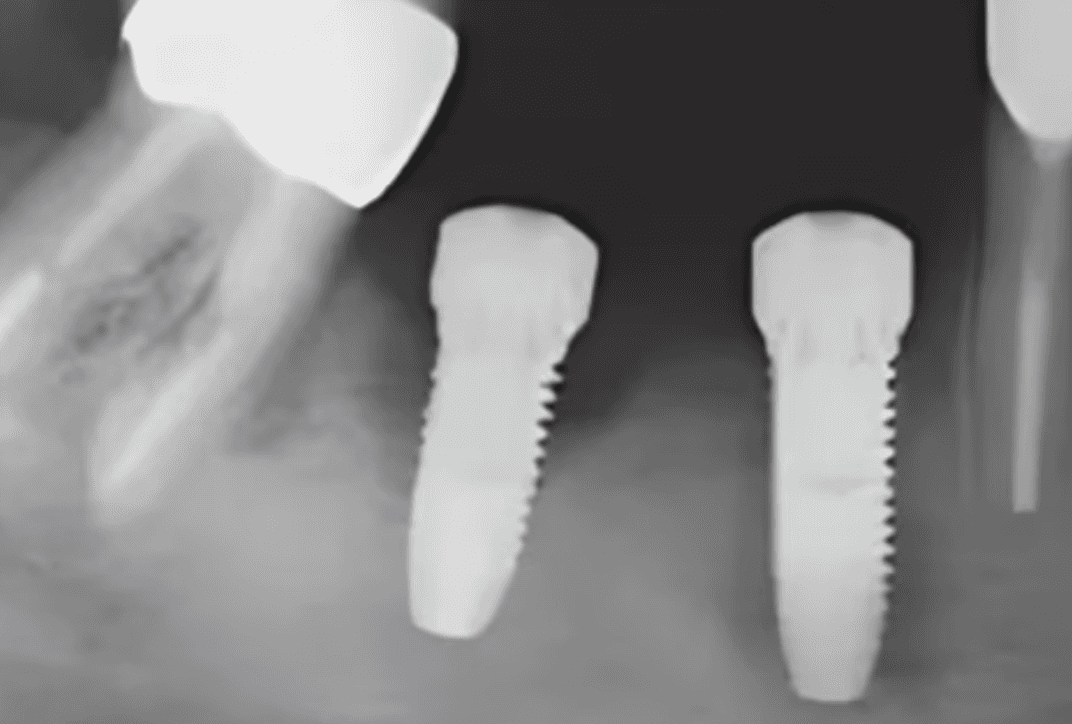
Discover How to Properly Place a Cover Screw to Avoid Complications
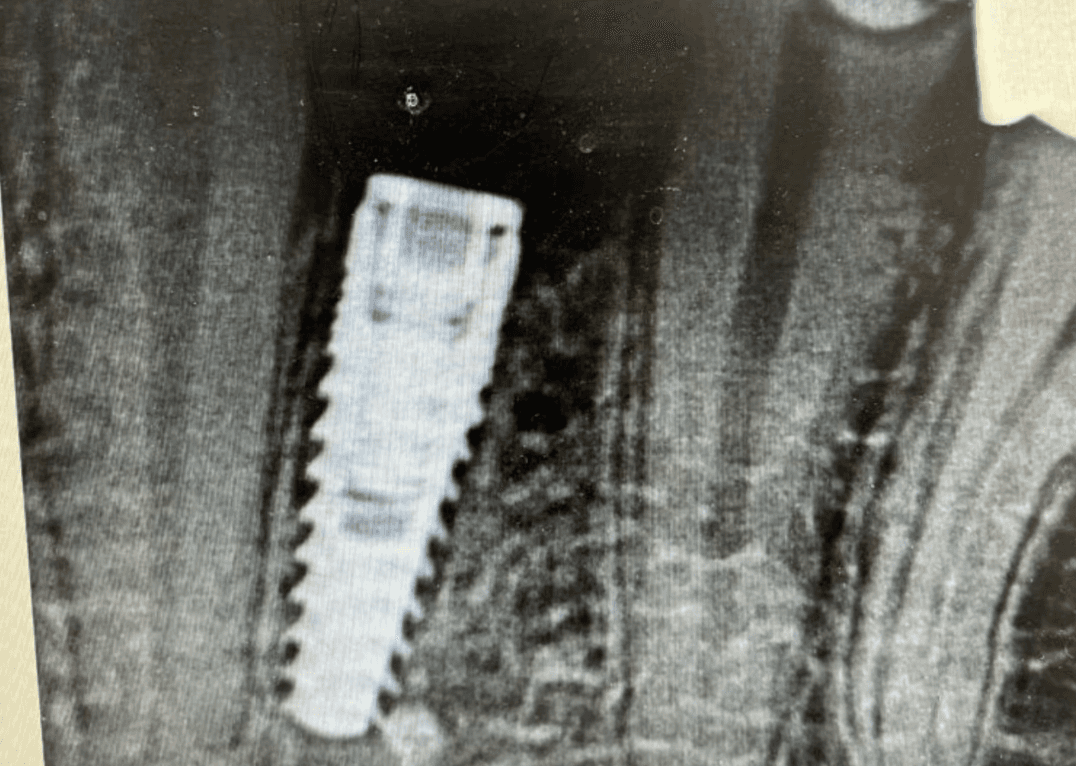
In implant dentistry, a cover screw plays a critical role in protecting the implant during the healing process. It is placed immediately after implant insertion to seal the internal connection and prevent soft tissue ingrowth or bacterial contamination. Proper placement ensures successful osseointegration, which is essential for long-term implant stability.
For new graduates or general dentists beginning implant procedures, understanding the function of a cover screw is not just a technical detail; it is a foundational step that directly affects patient outcomes. Misplaced or poorly secured cover screws can lead to complications such as peri-implantitis, soft tissue irritation, or difficulty during uncovering procedures.
Common Mistakes When Placing a Cover Screw
Many dentists encounter challenges when placing cover screws, especially early in their implant practice. Some of the most common mistakes include:
1. Improper Seating
Failing to fully seat the cover screw can allow micromovement or gaps, increasing the risk of bacterial infiltration.
2. Using the Wrong Torque
Applying too much force can strip the implant threads, while insufficient torque can leave the screw loose. Both scenarios compromise healing.
3. Tissue Impingement
Placing the screw too deeply or misaligning it can irritate surrounding soft tissue, causing inflammation or delayed healing.
4. Neglecting Implant Position
If the implant isn’t correctly aligned, the cover screw may not sit flush, which can complicate the second-stage surgery and affect the restorative outcome.
Understanding these pitfalls is the first step in preventing complications and building confidence in your implant procedures.
Step-by-Step Guide to Proper Cover Screw Placement
Proper placement of a cover screw is straightforward once you follow a systematic workflow. Here’s a practical approach:
1. Verify Implant Depth and Alignment
Before placing the cover screw, ensure the implant is fully seated at the planned depth and correctly aligned with the intended prosthetic axis. Proper implant positioning reduces the likelihood of soft tissue interference and makes the uncovering stage easier.
2. Choose the Correct Cover Screw
Implants often come with manufacturer-specific cover screws. Verify that the diameter and length match the implant system. Using an incorrect screw can damage the implant or compromise the seal.
3. Clean the Implant Platform
Remove any blood or debris from the implant connection. A clean interface ensures a proper seal and minimizes bacterial contamination.
4. Seat the Screw Properly
Insert the cover screw carefully and turn it by hand until it is fully seated. Avoid cross-threading, which can damage the implant connection. Once hand-tightened, use the recommended torque from the manufacturer to secure it without over-tightening.
5. Verify Placement
Check that the cover screw sits flush with the implant platform and does not impinge on soft tissue. Radiographs can be useful for confirming proper seating, especially in critical cases or when learning the technique.
6. Manage the Soft Tissue
If necessary, suture the flap to ensure proper tissue coverage over the implant and cover screw. This protects the implant during healing and promotes ideal osseointegration.
Tips to Avoid Common Complications
Even with careful technique, new dentists may face challenges. These tips can help reduce the risk of complications:
Use the Right Instruments – Always use implant-specific drivers and torque wrenches. This ensures accuracy and reduces the risk of thread damage.
Avoid Excessive Force – Gentle, controlled pressure prevents stripping and maintains the integrity of the implant connection.
Double-Check Alignment – A quick visual and tactile check before final torque can prevent soft tissue impingement and screw misalignment.
Practice on Models – Simulated implant placement exercises or courses help you gain muscle memory and confidence in cover screw handling before performing on patients.
Courses like Implant Surgery 101 and Foundations 1: Implant Basics offer hands-on guidance that reinforces proper cover screw placement and other key steps in the implant workflow.
How Cover Screw Mastery Improves Clinical Confidence
Many new graduates hesitate during implant procedures because of uncertainty in foundational steps like cover screw placement. Mastery of this step has several benefits:
Reduces Anxiety – Knowing exactly how to seat and secure the screw decreases stress during surgery.
Prevents Healing Complications – Proper placement lowers the risk of soft tissue irritation, bacterial infiltration, and implant failure.
Streamlines Workflow – Efficient cover screw placement contributes to smoother surgeries and shorter chair times.
Builds Foundation for Advanced Procedures – Confident handling of cover screws prepares you for complex procedures like guided bone regeneration or All-on-X cases.
By combining structured learning with practical application, dentists can transition from hesitant operators to confident clinicians capable of handling routine and advanced implant procedures.
Final Thoughts
Proper placement of a cover screw may seem like a small detail, but it is critical for successful implant therapy. Avoiding common mistakes, following a systematic workflow, and building confidence through practice and structured education ensures smooth healing, fewer complications, and more predictable outcomes.
If you’re ready to gain confidence in cover screw placement and other essential implant procedures, explore courses like Implant Surgery 101 and Foundations 1: Implant Basics to make complex implant dentistry simple, practical, and complication-free.