Learn what an internal hex dental implant is, how it works, and why it’s one of the most widely used and reliable implant connection types.
And why this term gets thrown around so much…
Imagine you’re walking down the aisles at a dental convention and a rep stops you:
“Hey doc, where are you from? Did you know our implant is nanocoated ceramic with an improved internal hex?”
You stand there, not knowing how to break free of the conversation–and utterly confused by what this man just said. And, what the heck is an internal hex anyway?
I see how it can be confusing. Implants come in so many shapes, sizes, and systems—and then on top of that, people start throwing around connection types like it’s obvious. Internal hex, conical, platform switching… it’s no wonder this gets muddy fast.
Let’s clean it up.
What Is an Internal Hex?
When someone says “internal hex,” they’re talking about the shape inside the platform of the implant.
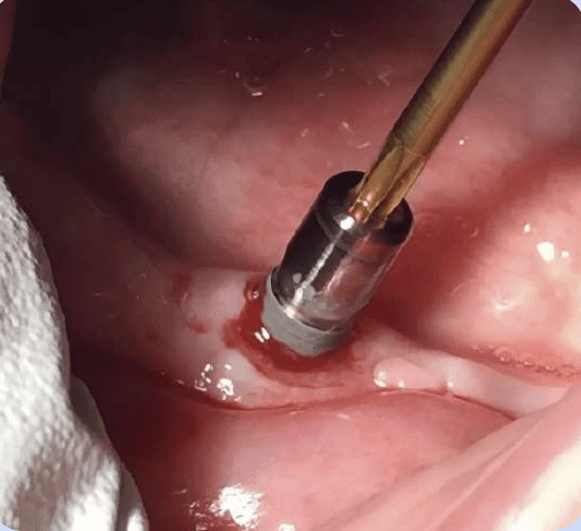
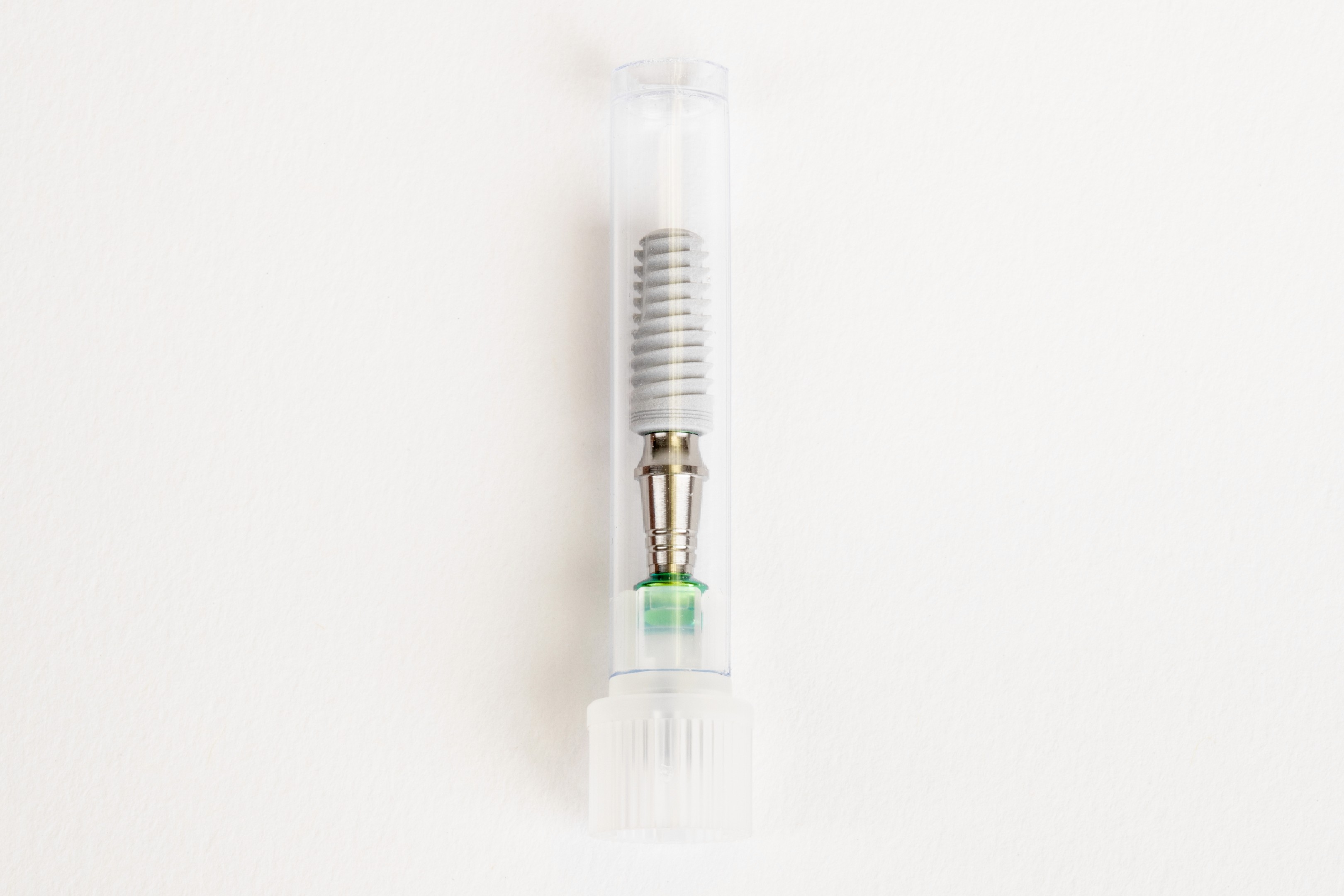
If you look down into the implant platform, you’ll see a small hexagon-shaped connection built into it. That hex is what everything seats into (think connects with) —your healing abutment, your impression coping, your scan body, your final abutment. It’s the indexing mechanism. It’s what keeps things lined up and prevents rotation.
So in simple terms:
👉 Internal hex = a hexagon connection inside the implant that your components lock into
That’s it.
Where Did This Come From?
Back when implants started becoming more widely used in the 80s and 90s, there needed to be a reliable way to connect components to the implant and keep them stable. When Dr. PI Brannemark made the first widely commercialized implants they had an “external” hex. The hex was on the top of the implant. But those tended to get loose. So, one of the pioneers in implant dentistry, Gerald Niznick, developed the internal hex connection—and it took off quickly.
Why?
Because it worked and it was easy to use.
It allowed clinicians to:
align components easily
prevent rotation
and build a system that could be reproduced again and again
Why It’s Still Everywhere
This is the part that really matters clinically.
Because internal hex became so widely used early on, there is now a massive ecosystem of compatible parts. You’re not tied to one manufacturer. You can find abutments, drivers, impression copings, and restorative components from all kinds of sources that will fit.
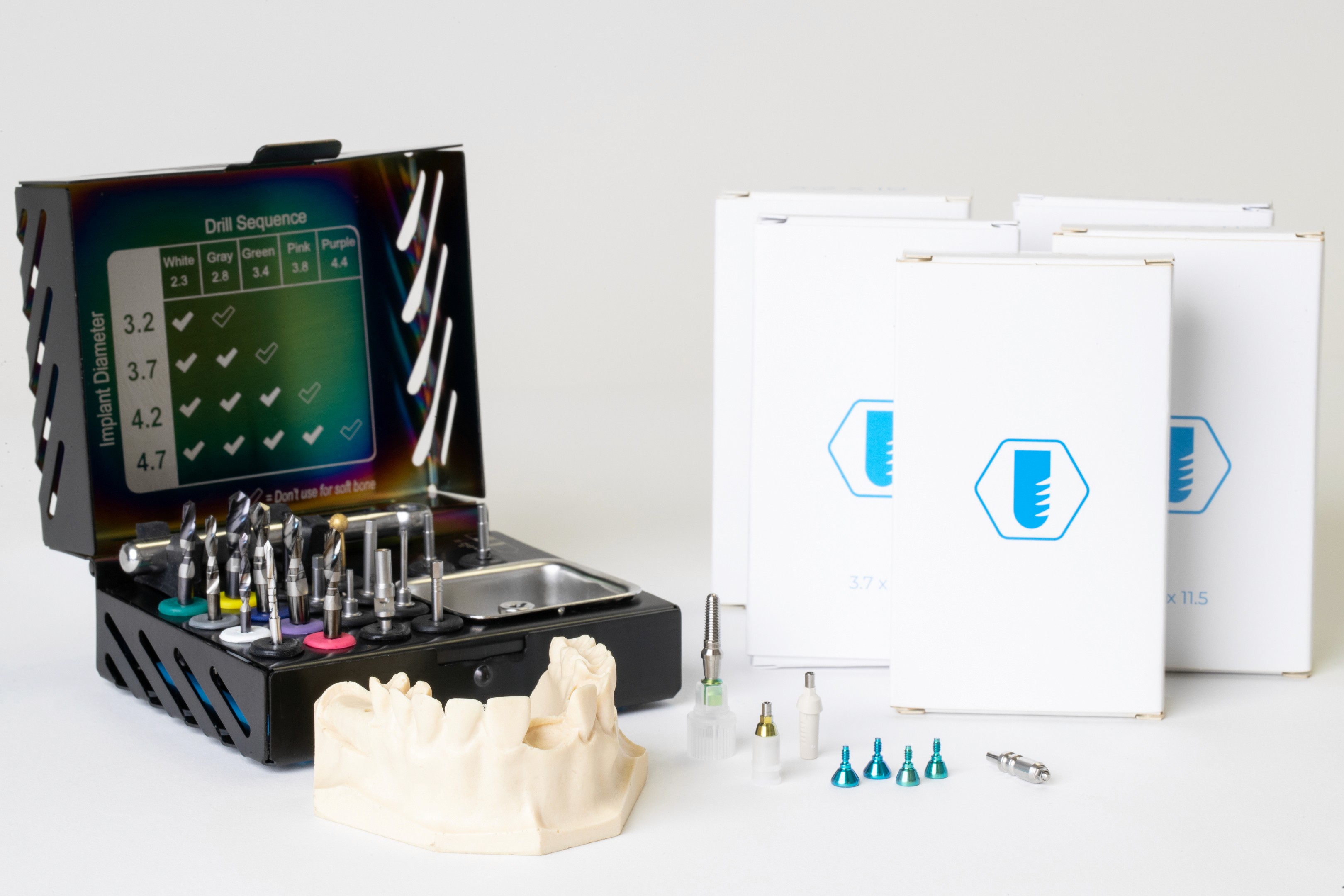
That’s why I think of this as the most universal connection, and that’s why we use it exclusively for the Implant Club(LINK) implant system.
It also means that when you learn one internal hex system, you’re not starting from scratch when you pick up another. The workflow feels familiar. The parts make sense. The learning curve is smoother.
And honestly, there’s something to be said for systems that have just been around forever and still perform well. Internal hex has been used in millions of implants worldwide. There is a ton of literature and predictability behind it. It’s not flashy—but it’s reliable.
Who Uses It?
A number of implant systems still rely on internal hex connections today.
For example, Implant Club uses a 3.5 internal hex connection. Other companies like ZimVie, BioHorizons, and JD Implant also utilize internal hex designs in their systems.
So when you hear “internal hex,” you’re not hearing something obscure—you’re hearing something that is very mainstream.
What About Other Connection Types?
As implant systems evolved, companies started developing alternative connections.
One of the big ones you’ll hear about is the conical or Morse taper connection. This type relies more on friction and a tapered interface to create a very tight seal. It’s often marketed as having improved stability.
There’s also the external hex, which is essentially the older version of this concept where the hex sits on top of the implant instead of inside. You’ll still see it in legacy systems, particularly from companies like Nobel Biocare.
And then there are fully proprietary connections, where companies design their own unique interface. These can work very well—but they often limit your ability to mix and match components. When it comes to proprietary connections, my honest take is to steer clear of these because it makes it unnecessarily complex if you are ever trying to fix things or troubleshoot down the road. I have had many instances in which labs send things back because they can’t work with a particular proprietary connection.
The Real Question You Should Be Asking
When it comes down to it, the decision isn’t about which connection is “best” in some absolute sense.
It’s about this:
👉 Do I want simplicity and flexibility? (Yes please)
👉 Or do I want a more specialized, closed system? (Nah)
If you value flexibility, ease of use, and access to a wide range of components, internal hex is a very strong option.
The Bottom Line
Internal hex isn’t complicated.
It’s a hexagonal connection inside the implant that allows components to seat, index, and stay stable.
It’s been around for decades.
It’s widely compatible.
And it still works extremely well.
If you’re early in your implant journey, understanding internal hex systems gives you a huge advantage. It simplifies your workflow, expands your options, and helps you build confidence faster.
And at the end of the day, that’s what the Implant Ninja ecosystem is all about.
The Implant Club implant system is made with a strong and high quality titanium, it is milled and finished in the USA, and it uses only one implant platform–the internal hex. It is the perfect system for keeping things organized and systematic in your office.
Predictable implants.
Simple systems.
Better outcomes.
Keep it simple, surgeon.
Learn More with Implant Ninja
To get a solid foundation for dental implants and jump into starting to place them, I highly recommend you check out our Foundations of Implantology program. This program covers all of the basics, the terminology, and walks you through how to place implants step-by-step.